Catalysis in the Green Circular Economy
Theme Leader: A/Prof Anastasios (Tash) Polyzos, University of Melbourne
Green catalysis enables the conversion of waste into valuable products, reduces energy use, and closes material loops. We develop selective, efficient catalytic reactions for:
- Depolymerisation and plastic recycling
- Biomass conversion to platform molecules
- Sustainable manufacture of fine chemicals and commodity chemicals
- CO₂ utilisation
The work targets reduced reliance on finite resources, lower greenhouse gas emissions, and closed-loop industrial systems — with direct pathways into Australia's chemical manufacturing industry through our partner organisations.
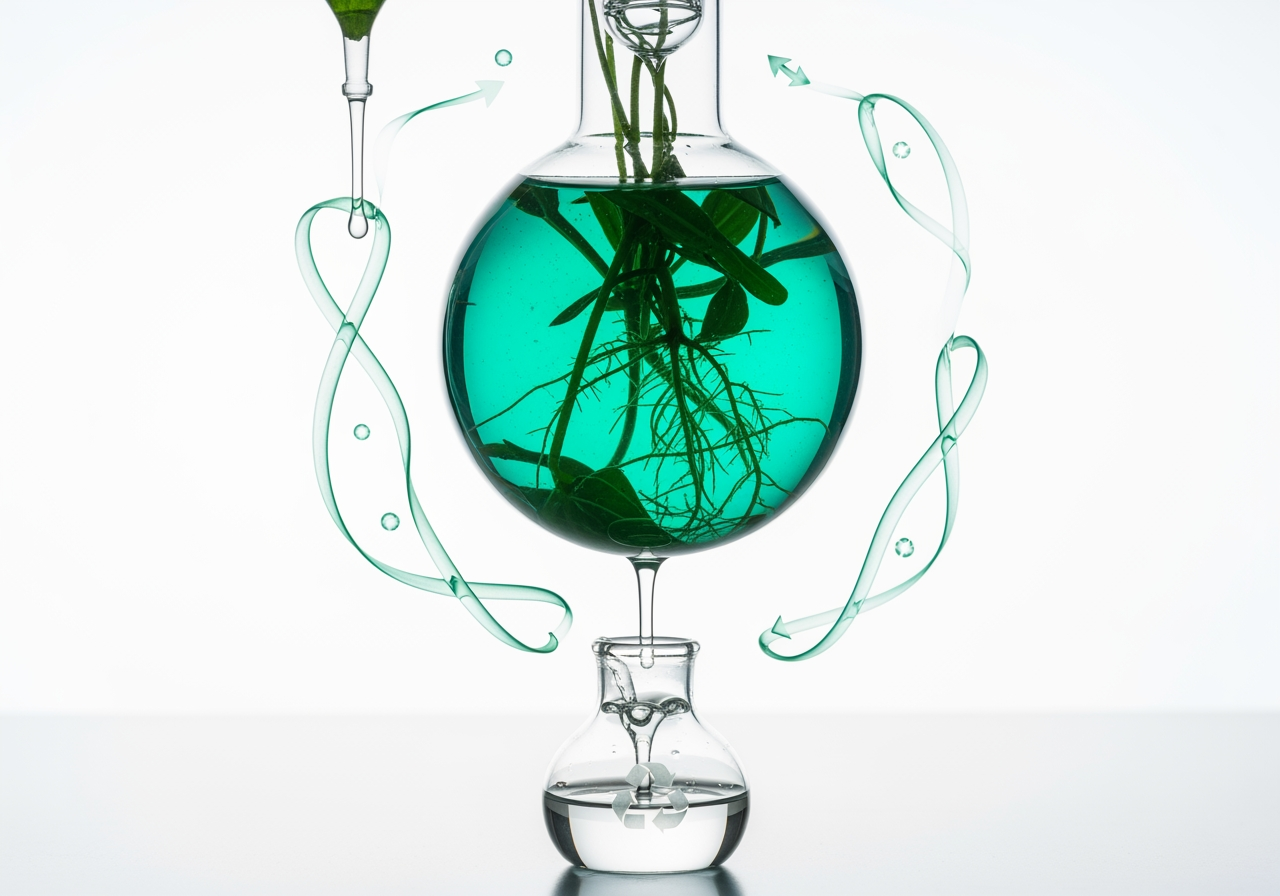 Green Circular Economy — waste → value
Catalysis in Bioprocessing
Theme Leader: Prof Colin Barrow, Deakin University
Bioprocessing uses enzymes, microbes, and bio-derived feedstocks to make high-value products — pharmaceuticals, bioactives, functional materials and foods — with far lower environmental footprint than traditional chemistry.
- Enzyme and whole-cell biocatalysis
- Marine and agricultural bioproducts
- Nutraceuticals and bioactive compounds
- Bio-based materials for industrial use
This theme draws on Deakin's Strategic Research Centre for Sustainable Bioproducts and the Marine Bioproducts CRC to connect fundamental research to scalable, commercial outcomes.
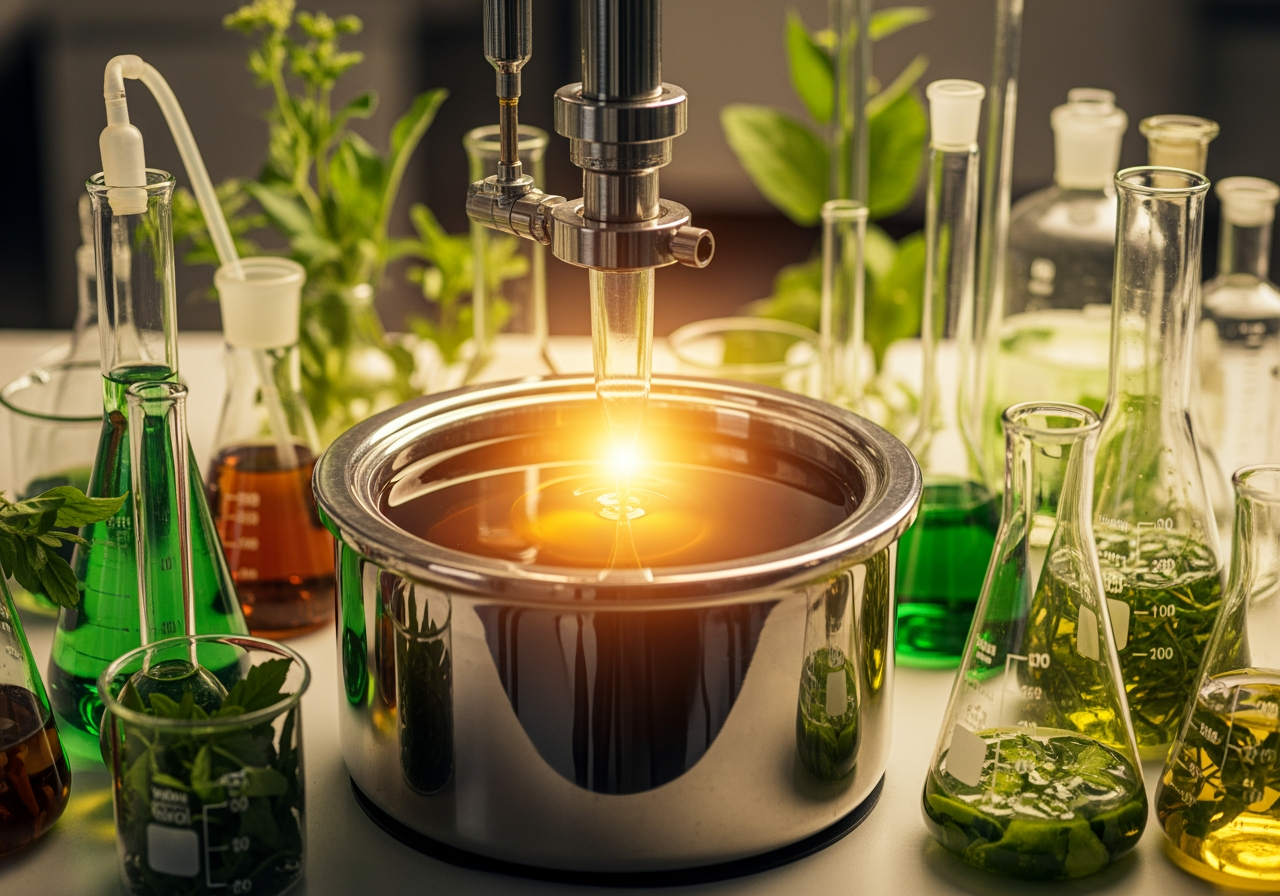 Bioprocessing — nature as the catalyst
Sustainable Catalysts for Energy Applications
Theme Leader: Prof Rachel Caruso, RMIT University
The clean energy transition depends on catalysts — for electrolysers that split water into hydrogen, for fuel cells, and for batteries. Too many rely on scarce platinum-group metals. We design alternatives from abundant, low-cost elements.
- Non-precious-metal electrocatalysts
- Iridium-free electrolyser materials
- Photocatalysis for solar-driven chemistry
- Advanced materials for lithium-based batteries
This theme delivers the catalyst chemistry that will enable Australia's renewable-energy industries to scale economically.
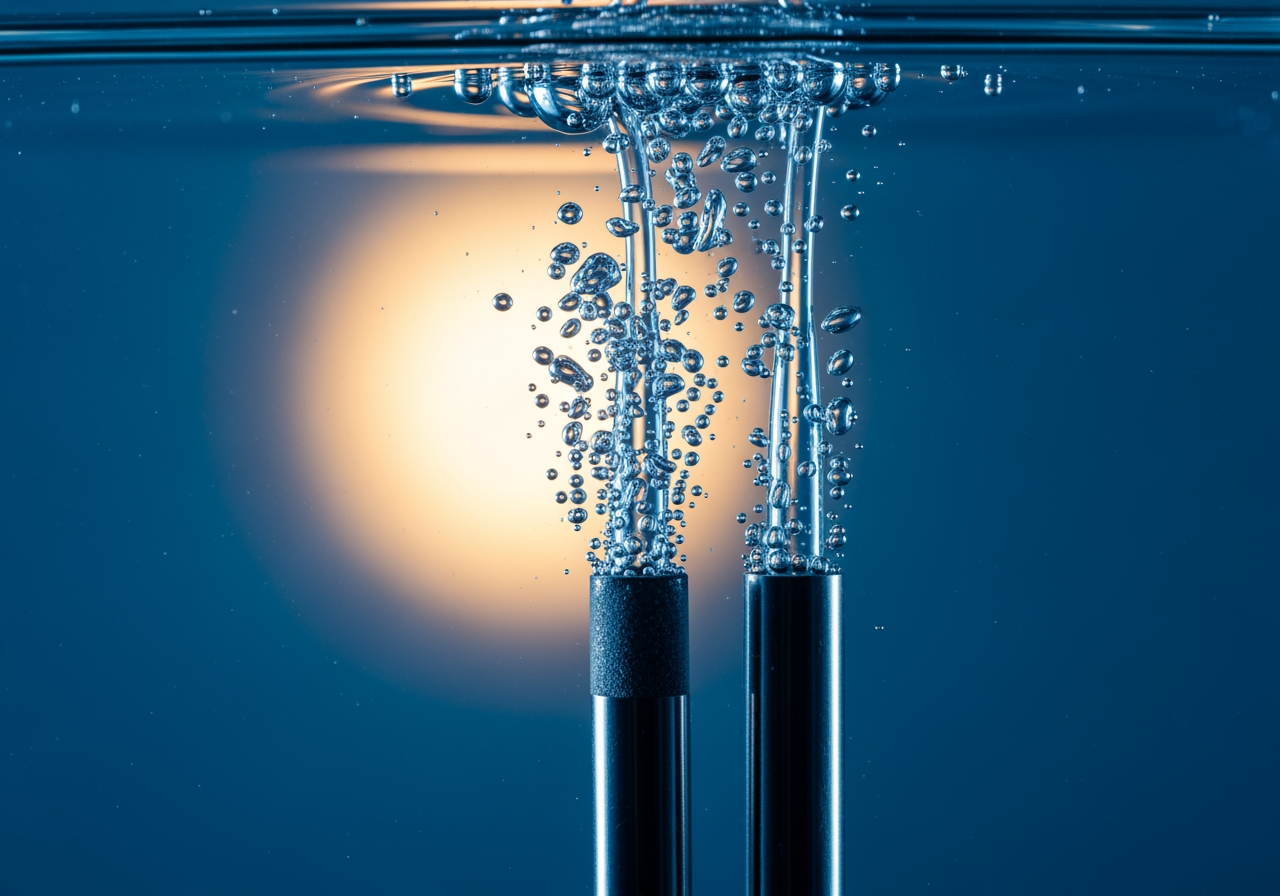 Energy — sustainable catalysts for a clean grid